Written with insight from the Arkansas River Tours guide team. Guiding the Arkansas River since 1973.
Bighorn Sheep Canyon is one of our favorite introductions to Colorado whitewater because it offers a little bit of everything: splashy rapids, stretches of calm water, high-desert scenery and enough excitement to feel like you’ve really gone rafting.
Here’s what you can expect from some of the best-known rapids along the way.
Where Is Bighorn Sheep Canyon?
Bighorn Sheep Canyon follows the Arkansas River between the Cotopaxi area and Parkdale, just upstream of the Royal Gorge. Arkansas River Tours offers both half-day and full-day trips through this section of river.
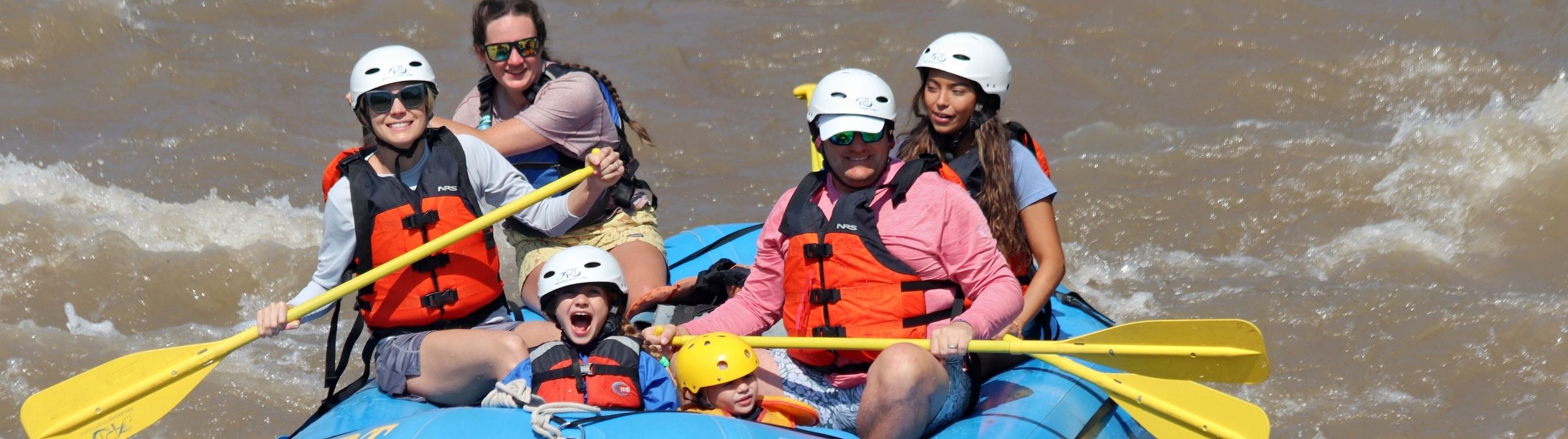
Our half-day trip focuses on roughly 10 miles of Class II–III whitewater, making it a great option for families, first-time rafters and groups that want plenty of action without committing an entire day.
The full-day trip starts farther upstream from our Cotopaxi location, adding more time on the river, additional whitewater and a riverside lunch.
The setting is part of what makes this stretch so memorable. Bighorn Sheep Canyon sits at a lower elevation than many of the rafting sections farther upstream, giving it a distinctly high-desert feel. Piñon and juniper cover the hillsides, ancient rock formations rise above the river, and Rocky Mountain bighorn sheep can sometimes be spotted along the canyon walls.
Parts of the canyon expose Precambrian rock more than a billion years old, making the scenery almost as interesting as the whitewater.

What Does Class II–III Whitewater Actually Feel Like?
If you’ve never been rafting before, “Class III” probably doesn’t mean much.
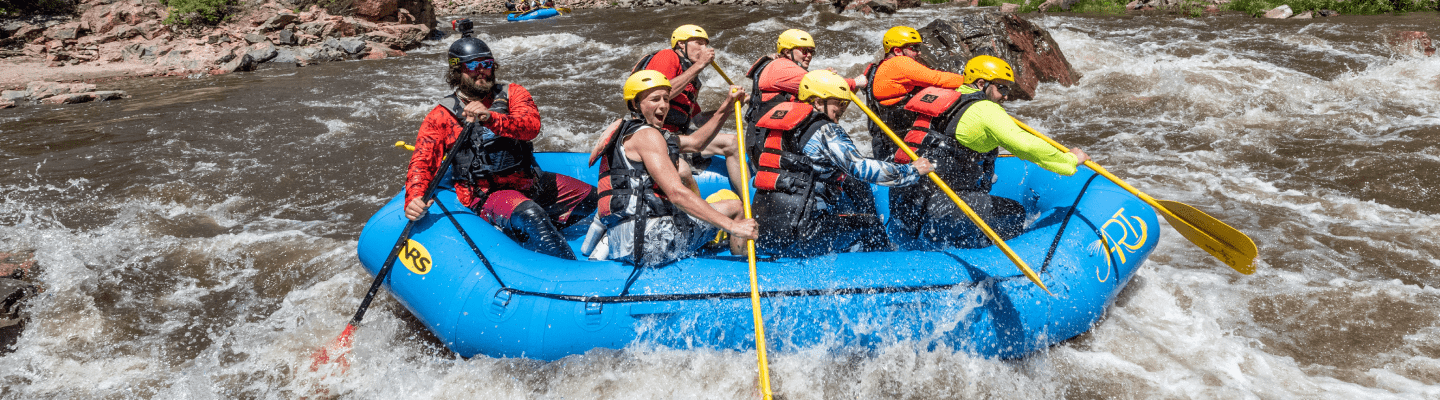
The International Scale of River Difficulty ranges from Class I to Class VI. Bighorn Sheep Canyon primarily features Class II and Class III whitewater, although some rapids can become more challenging during higher flows.
For you, that generally means:
- Waves big enough to splash everyone in the boat
- Rapids where you’ll need to listen and paddle when your guide calls a command
- Calm stretches between many of the bigger drops like Three Rocks, Five Points, and Spikebuck
- Plenty of excitement without jumping straight into the advanced whitewater found downstream in the Royal Gorge
That’s one reason we recommend Bighorn so often to first-time rafters and families. You get a real whitewater experience while still having time between rapids to look around, catch your breath and enjoy the canyon.
The Rapids of Bighorn Sheep Canyon
No two trips down Bighorn are exactly the same. River flows change throughout the season, which means the size of the waves, exposed rocks and character of individual rapids can change along with them.
But there are a handful of rapids you’ll hear our guides talk about again and again.
Prelude / Wake-Up
As the name suggests, this is where things start getting interesting.
Prelude, sometimes referred to as Wake-Up, gives crews an early taste of what’s ahead. It’s a good opportunity to practice paddle commands, get everyone working together and settle into the rhythm of the boat before the bigger Class III rapids arrive.
For first-time rafters, this is often the moment when the safety talk starts making a little more sense.
- What to expect: A fun introduction to moving whitewater and a good confidence builder before the larger rapids downstream.
Three Rocks
Three Rocks is one of the best-known rapids in Bighorn Sheep Canyon and often one of the first that gets everyone’s full attention.
At typical flows, exposed rocks help create the drops, waves and maneuvering that give the rapid its character. At higher water, some of those rocks become submerged and the rapid can take on a bigger, faster feel.
For a lot of first-time rafters, Three Rocks is where the nervous anticipation turns into, “Okay, this is awesome.”
- What to expect: Bigger waves, more action and one of the first moments when your crew will really need to listen to your guide and paddle together.
- From our guides: There are three different lines you can take through this rapid, but whichever one you choose, you have to commit and send it! At higher flows, the rapid may be portaged to help keep the trip family-friendly.
Five Points
If Three Rocks gets your adrenaline going, Five Points keeps it there.
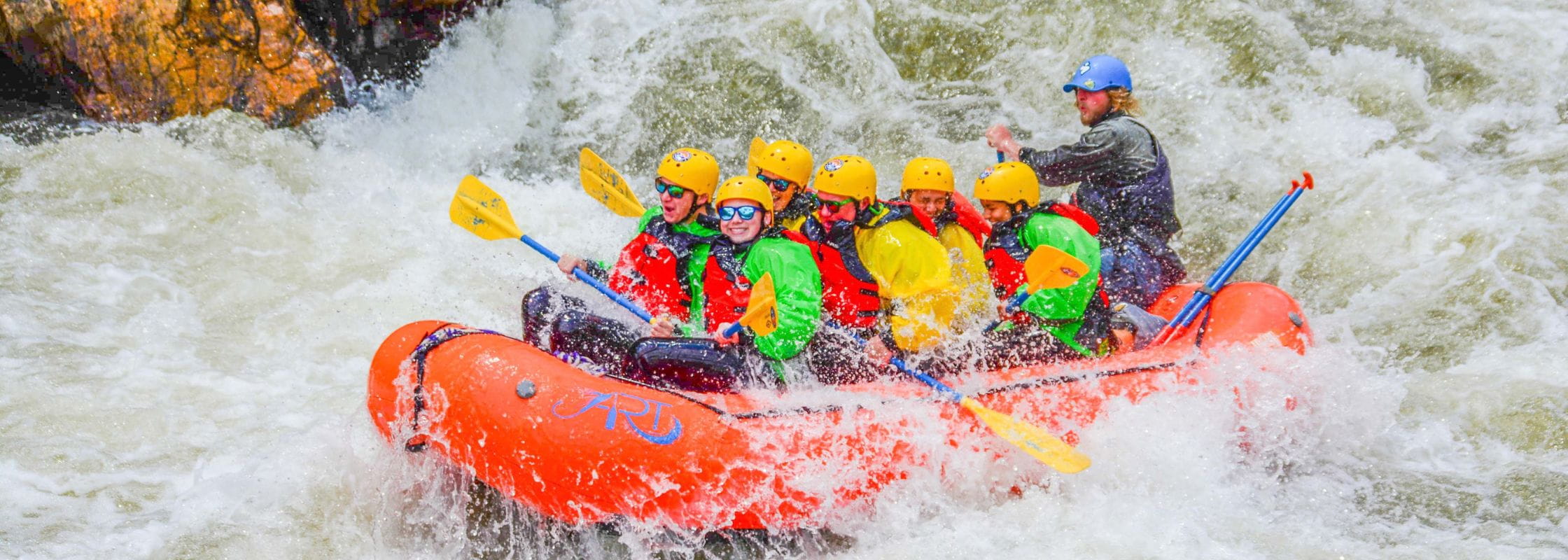
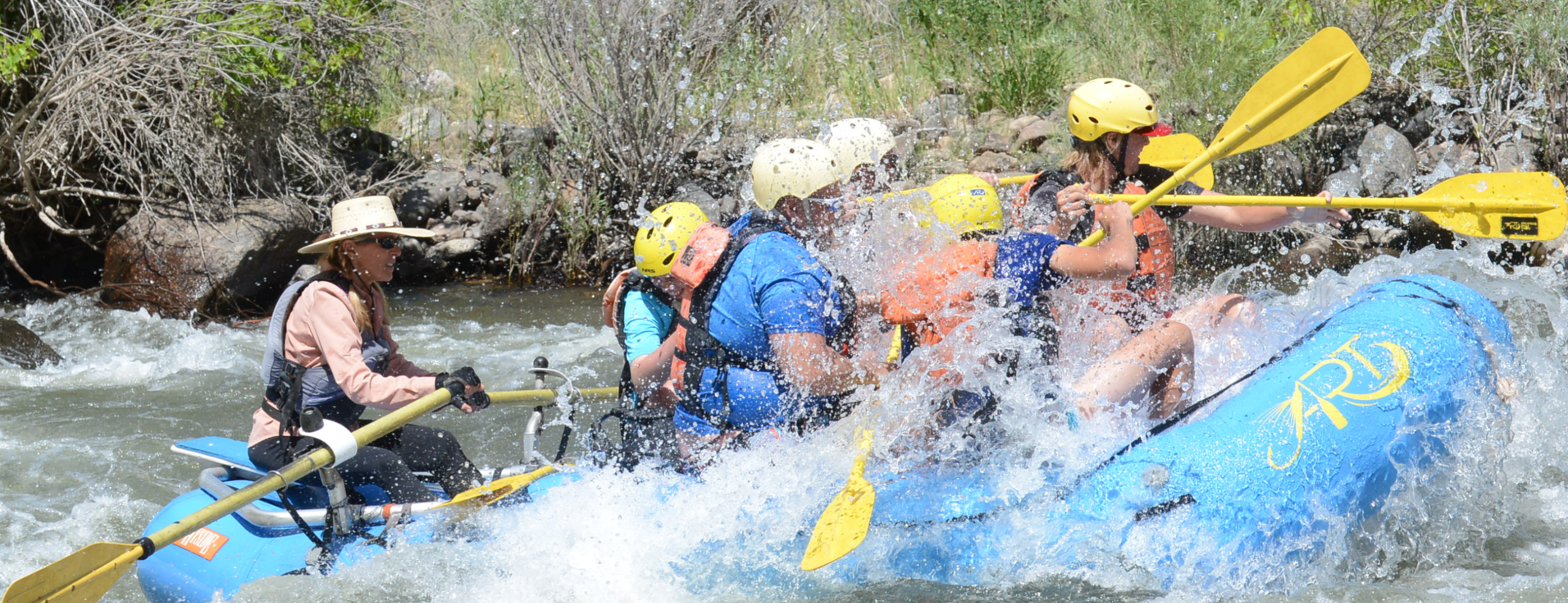
This Class III rapid is known for its waves and is a favorite place for action photos. The exact experience changes with the river level, but you can count on a good chance of getting wet.
It’s the kind of rapid that tends to produce some of the best facial expressions in the photo gallery afterward.
- What to expect: A splashy wave train and a very good chance that the front of the boat isn’t coming out dry.
Spikebuck
Spikebuck is one of the signature rapids of Bighorn Sheep Canyon.
It’s a longer, more sustained section of whitewater than many of the rapids around it, which means your crew may spend more time actively paddling and responding to your guide’s commands.
At lower flows, exposed rocks can make the rapid more technical. As the river rises, the character changes: some rocks disappear beneath the surface while the current and waves become more powerful.
During particularly high flows, Spikebuck can take on Class IV characteristics.
By the time most crews reach Spikebuck, they’ve figured out how to work together and that’s a good thing.
- What to expect: One of the bigger whitewater moments of the trip and a rapid where teamwork makes a difference.
- From our guides: One of the most challenging rapids on this stretch due the number of obstacles and length of the rapid
Shark’s Tooth
Shark’s Tooth gets its name from a distinctive rock feature in the rapid.
It’s another great example of why Bighorn is so much fun for first-time rafters: there’s enough going on to make the rapid exciting, while an experienced guide handles the technical work of positioning the boat through the features.
Once you’re through the whitewater, remember to look up. The canyon scenery surrounding this part of the river is worth paying attention to, too.
- What to expect: Class III whitewater, technical maneuvering from your guide and another fun stretch of waves.
Double Dip
Not every memorable part of Bighorn has to be the biggest rapid.
Double Dip gets its name from its back-to-back wave features and provides another fun splash before the river settles down again.
Depending on river conditions, trip timing and your guide’s plan for the day, calmer stretches of the canyon may also provide opportunities to cool off and enjoy the water outside the raft.
- What to expect: A fun series of waves and another reminder that Bighorn doesn’t need huge Class IV whitewater to be a good time.
Puppy
Don’t let the name give you too much confidence.
Puppy is another Class III rapid that rounds out the Bighorn experience with plenty of movement and splash. By this point in the trip, most first-time crews are noticeably different from the group that climbed into the raft at the put-in.
Paddle commands make sense. Everyone knows when to dig in. And the nervous crew from the beginning of the trip is usually hoping there’s another rapid around the corner.
- What to expect: Another playful Class III rapid and a fun addition to the final portion of the run.
How Water Levels Affect the Rapids
The Arkansas River changes throughout the rafting season, and so do the rapids in Bighorn Sheep Canyon.
At higher flows, expect faster current, bigger waves and more powerful versions of rapids like Three Rocks and Spikebuck. As flows drop, more rocks become exposed and the whitewater can become more technical, requiring your guide to navigate tighter lines through the canyon.
There’s no single “best” water level for Bighorn. Different flows simply create different versions of the run, and your guides adjust the trip to the conditions that day.

There’s More to Bighorn Than the Rapids
The whitewater might be why you book the trip, but don’t spend the entire time staring at the river.
The canyon is named for the Rocky Mountain bighorn sheep that inhabit the surrounding cliffs and hillsides. Keep an eye on rocky ledges and ridgelines during the calmer sections of your trip, you may get lucky and spot them.
Other wildlife in the area can include bald and golden eagles, minks, mule deer and other animals that call the Arkansas River corridor home.
Anglers might also recognize this section of river for another reason: the Arkansas River’s Gold Medal trout waters extend downstream to Parkdale.
Then there’s the geology. The high-desert landscape surrounding Bighorn Sheep Canyon is noticeably different from the higher-elevation sections of the Arkansas River. Ancient rock, open hillsides and the river winding alongside the canyon make the calmer stretches part of the experience rather than simply downtime between rapids.
What Happens If I Fall Out of the Raft?
It’s one of the most common questions first-time rafters ask.
Before you launch, your guide will walk your group through a complete safety briefing, including what to do if you end up in the water, how to position yourself and how to respond to rescue instructions.
The important thing is to listen to your guide. Arkansas River Tours guides are trained in whitewater safety and rescue techniques, and they’ll explain what you need to know based on the conditions you’ll experience that day.
Bighorn Sheep Canyon FAQs
Is Bighorn Sheep Canyon good for first-time rafters?
Yes. In fact, it’s one of our favorite trips for first-time rafters. The combination of Class II–III rapids and calmer stretches gives you a true whitewater experience without immediately jumping into an advanced run.
What’s the biggest rapid in Bighorn Sheep Canyon?
Three Rocks and Spikebuck are two of the best-known and most exciting rapids on the run. Which feels “biggest” can change depending on river flow and conditions.
Is Bighorn Sheep Canyon good for families?
Yes. Bighorn is one of ART’s most popular family rafting trips. Minimum ages are usually 7 years old but can change depending on river conditions, so check the current trip requirements when booking.
How does Bighorn Sheep Canyon compare to the Royal Gorge?
Think of Bighorn as the introduction and the Royal Gorge as the next step up.
Bighorn primarily offers Class II–III whitewater with breaks between the larger rapids. The Royal Gorge features more advanced Class III–IV whitewater in a narrower, more committing canyon.
If you want exciting whitewater that’s approachable for families and first-timers, start with Bighorn. If your group is looking for a bigger challenge, consider the Royal Gorge.
How does Bighorn Sheep Canyon compare to Browns Canyon?
Both are great options for families and first-time rafters, but the experiences are different.
Bighorn has a lower-elevation, high-desert setting with convenient access from Cañon City and Colorado Springs. Browns Canyon takes you through Browns Canyon National Monument farther upstream and offers a different mountain setting and style of whitewater.
Ready to Run Bighorn Sheep Canyon?
You don’t need to memorize the rapid names before you arrive. That’s your guide’s job.
All you need to do is show up ready to paddle.
Whether Bighorn Sheep Canyon is your first whitewater trip or simply your next one, it’s one of the best stretches of the Arkansas River for combining approachable whitewater, beautiful scenery and plenty of opportunities to get wet.